
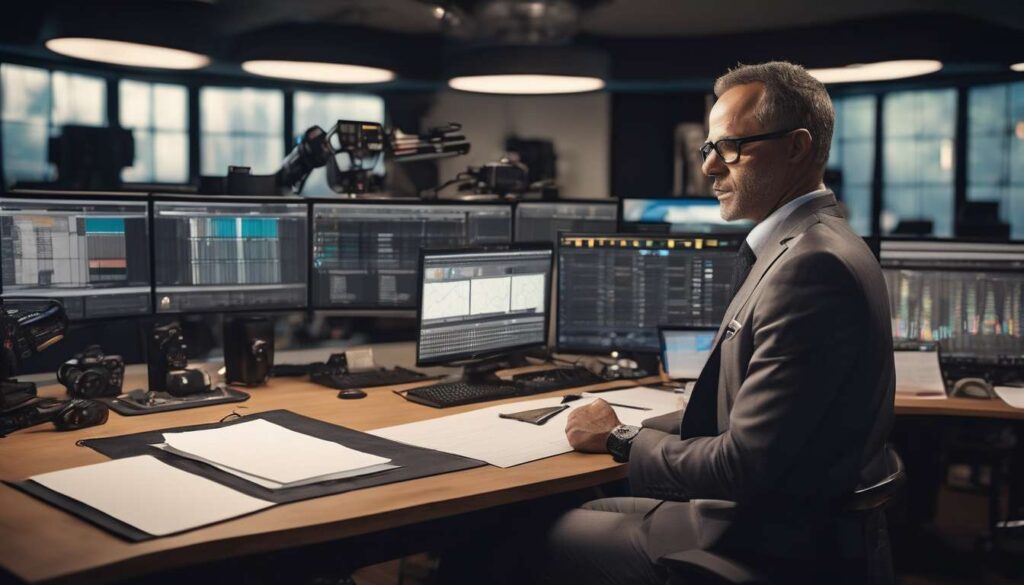
A rigorous overhaul of conventional training is the single most effective way to transform adult video studio management.
We reject the notion that creativity and compliance are mutually exclusive. Instead, we argue that structured operational training enhances both safety and artistic output.
Standardize onboarding, quality-control protocols, and consent-focused communication to create predictable, respectful workflows that free producers and performers to focus on craft.
Treat operational skills as core competencies rather than afterthoughts. Key areas include:
- Scheduling
- Risk assessment
- Legal literacy
- Equipment maintenance
Equip teams with repeatable checklists and scenario-based drills to:
- Reduce accidents
- Protect rights
- Streamline production timelines
When everyone understands expectations and consequences, outcomes improve. Specifically:
- Fewer disputes
- Faster shoots
- Higher retention
This approach is not bureaucracy for its own sake; it professionalizes a marginalized, under-resourced industry.
Pragmatic training investments can elevate standards, improve livelihoods, and build sustainable studios that balance creative freedom with rigorous operational excellence.
Why Operational Training Matters
Operational training is essential because it ensures staff can run productions safely, legally, efficiently, and consistently.
Clear consent protocols and strict safety compliance create an environment where everyone feels respected and protected, and that shared commitment builds trust across crews and performers.
We are deliberate about role clarity and escalation paths.
- People are taught their roles, limits, and when/how to escalate.
- That predictability reduces anxiety and fosters belonging.
Practical resource scheduling prevents problems.
- Training and enforcement of schedules prevent burnout, minimize conflicts, and keep shoots on time.
We don’t leave critical details to chance.
- Procedures are documented.
- We run simulations.
- We review incidents together so everyone learns and improves.
We encourage speaking up and collective responsibility.
- Every team member should feel valued and confident to raise concerns.
- That shared accountability keeps the studio within the law and acting with ethical care.
We invest in continuous, role-specific training that balances rigor with empathy.
- Ongoing training maintains a workplace that is safe, compliant, and inclusive.
Onboarding and Orientation
We will welcome new hires with a structured onboarding that quickly orients them to our studio’s policies, roles, schedules, and reporting lines so they can work confidently and safely from day one.
We introduce team members, clarify expectations, and create a warm environment where everyone feels seen and valued.
Our orientation blends practical training with cultural grounding so new colleagues understand how we protect each other and the people we work with.
We cover consent protocols as part of role-specific briefings.
We outline mandatory safety compliance steps and demonstrate how to log incidents and request support.
We make resource scheduling transparent by showing who manages sets, equipment bookings, and rest periods to prevent conflicts and fatigue.
We provide hands-on walkthroughs and checklists, pair hires with buddies, and set clear milestones for competency.
By standardizing this process, we reduce uncertainty and strengthen trust.
The result is a cohesive team that shares responsibility for professional standards, mutual respect, and a workplace where everyone belongs.
Consent and Communication Protocols
We’ll require clear, documented agreements and open channels so every participant can give, pause, or withdraw consent at any time.
We’ll establish consent protocols that are simple, accessible, and revisited before each session, ensuring everyone knows how to express boundaries and stop activity without pressure.
We’ll foster a culture where asking questions and confirming understanding is expected and supported.
We’ll maintain communication protocols that include private check-ins, standardized cue systems, and written confirmations, so people feel secure and included.
We’ll align these practices with safety compliance standards, documenting incidents and corrective actions transparently while protecting privacy.
We’ll train staff to listen actively, de-escalate concerns, and respect decisions without assumption or judgment.
We’ll integrate consent protocols into onboarding and daily routines, balancing firm guidelines with respectful flexibility.
We’ll review and update procedures regularly, inviting feedback from everyone involved to strengthen trust and belonging across the team while keeping operations clear and accountable.
Scheduling and Resource Planning
Goal: Create a transparent scheduling system that balances performer availability, equipment needs, and production timelines while minimizing conflicts and downtime.
Key scheduling features
-
Coordinated resource scheduling
- Reserve studios, cameras, and makeup time so everyone knows when resources are booked.
- Publish clear calendars with buffer windows to prevent overlap.
-
Consent and well-being
- Build slots that allow adequate prep, negotiation, and rest.
- Flag sessions requiring additional time for check-ins.
-
Safety and compliance
- Embed reminders and required confirmations before a session is finalized to ensure safety compliance.
-
Collaborative tools and workflows
- Use shared tools so performers, crew, and management can propose swaps, request accommodations, and see impacts on timelines.
- Treat scheduling as a collaborative practice to strengthen trust and belonging.
-
Operational reviews and fairness
- Run weekly reviews of utilization metrics to adjust patterns, reduce bottlenecks, and ensure fair access to premium times.
- Keep rules transparent and communicate changes promptly.
Outcome: By coordinating resources, respecting consent and safety, enabling collaboration, and reviewing utilization regularly, the system will keep production moving smoothly while honoring personal boundaries and operational needs.
Safety and Risk Management
We’ll identify and mitigate physical, legal, and reputational risks by implementing clear procedures, routine training, and incident-reporting channels that keep everyone informed and protected.
We establish consent protocols that are explicit, documented, and revisited before each session so every participant feels seen and supported.
We’ll run regular safety compliance checklists for equipment, set design, and on-set behavior, and we’ll assign a trained safety officer to monitor adherence and coach team members when gaps appear.
We value shared responsibility and normalize speaking up.
- Anonymous reporting channels.
- Debriefs after shoots.
- Restorative steps when incidents occur.
We coordinate resource scheduling to reduce risk by avoiding fatigue, double-booking, and rushed setups that amplify hazards, and by building buffer time for safety checks.
We’ll keep records and iterate on practices:
- Maintain records of trainings, incident responses, and continuous improvements.
- Share lessons learned across the team.
- Update practices as risks evolve.
Outcome: We create a trustworthy environment where everyone belongs, is protected, and can contribute confidently.
Legal and Compliance Basics
We will comply with laws and regulations, keep clear records, and assign responsibility for ongoing compliance reviews.
We create shared policies that cover consent, age verification, and record retention so every team member knows their role.
- We outline consent protocols.
- We implement age verification procedures.
- We define record-retention schedules and access rules.
We assign a compliance lead and cross-train staff so responsibility isn’t siloed and everyone feels accountable.
- Designate a primary compliance lead.
- Cross-train staff to cover key compliance tasks.
- Rotate responsibilities periodically to avoid single points of failure.
We document incidents, audits, and training with transparent logs that connect to resource scheduling so legal obligations align with production plans and staffing.
- Maintain incident and audit logs.
- Record completed and scheduled training.
- Integrate compliance milestones into production and staffing schedules.
We maintain confidentiality while ensuring required disclosures to authorities are made when necessary.
- Protect sensitive information through access controls.
- Establish clear procedures for legally required disclosures.
We regularly review contracts, releases, and workplace policies, updating language to reflect changing statutes and industry standards.
- Schedule periodic legal and policy reviews.
- Update documents promptly after statutory or industry changes.
We encourage open dialogue about compliance questions and provide accessible training for all staff.
- Offer regular, accessible training sessions.
- Create channels for asking compliance questions and reporting concerns.
We embed safety and compliance into daily routines and scheduling to reduce risk and reinforce a collective commitment to lawful, respectful operations.
Equipment Care and Maintenance
We’ll establish routine maintenance schedules and clear handling procedures so gear stays reliable, performs as expected, and downtime is minimized.
We’ll document roles for cleaning, inspection, and repairs so everyone knows their part and feels included in protecting shared resources.
We’ll align equipment use with consent protocols and safety compliance, ensuring that any props, rigs, or monitoring devices are checked and sanitized before and after each shoot.
We’ll use a simple logging system tied to resource scheduling so bookings only confirm after a pre-shoot checklist passes.
We’ll train teammates on gentle handling, storage best practices, and basic troubleshooting so small issues don’t become production-stopping failures.
We’ll centralize spare parts, contact lists for certified technicians, and warranties, and we’ll review these items in regular team meetings to reinforce ownership and mutual support.
We’ll treat maintenance as collective care — by keeping gear dependable and safe, we protect people, preserve creative time, and strengthen trust across the studio.
Measuring Performance and Retention
We will track clear, measurable KPIs—like shoot-to-publish time, client and performer retention rates, equipment downtime, and revenue per project—to judge operational health and guide improvements.
We’ll set targets and review them together, so everyone feels included in progress and accountable for outcomes.
Retention metrics tell us how well our environment and processes support people; when numbers slip, we’ll dig into consent protocols, safety compliance, and scheduling practices to find root causes.
We’ll combine quantitative data with regular qualitative check-ins so performers and staff can share concerns before they become turnover drivers.
Dashboards will highlight trends in resource scheduling and show if equipment issues or delayed releases are affecting morale.
Safety compliance audits and consent protocol refreshers will be part of monthly reviews, and training will be adjusted based on identified gaps.
By measuring thoughtfully and involving the whole team, we’ll build a workplace where people stay, feel respected, and contribute to continuous operational improvement.
How do you handle performer requests for specific types of content or scene partners that conflict with production schedules or studio policies?
We listen respectfully and take the performer’s request seriously.
We explain scheduling constraints and policy limits clearly.
We offer alternatives that honor preferences and safety, and we negotiate when possible.
-
- We propose different timing options to accommodate the performer.
-
- We suggest different partners or scene types that achieve similar creative goals.
-
- We explore reasonable compromises that preserve safety and consent.
We document requests and any refusals or agreed changes.
If a request violates policy or safety, we decline firmly and propose safer compromises.
-
- We state the specific policy or safety reason for the refusal.
-
- We offer alternative options that do not breach policy or endanger anyone.
-
- If appropriate, we escalate to relevant safety or HR resources for review.
Throughout the process we keep communication transparent, supportive, and focused on consent and mutual respect.
What systems are in place for managing taxes, benefits, and independent contractor vs. employee classification for performers and crew?
Purpose: We classify and support people on pay, benefits, and taxes so everyone feels included.
How we determine classification
- We use clear classification protocols to distinguish contractors from employees.
- We maintain written contracts that reflect the relationship and scope of work.
- We perform regular legal reviews to ensure classifications comply with current law.
Payroll and tax support
- We offer payroll services and handle tax withholdings where required.
- We keep transparent records of pay and tax transactions.
- We provide education about tax obligations to workers so they understand responsibilities and timing.
Benefits and retirement
- We give access to benefits brokers who explain available options.
- We provide optional retirement and health plans where feasible and compliant.
- We update offerings based on legal changes and worker feedback.
Policy governance and collaboration
- We update policies collaboratively, seeking input from affected workers.
- We ensure policies respect rights and needs through ongoing review and communication.
Key practices (summary)
- Use documented protocols and contracts.
- Conduct routine legal reviews.
- Provide payroll, withholding, and clear records.
- Offer benefits access and optional plans.
- Educate workers and update policies collaboratively.
How do you create and maintain a trauma-informed environment, including processes for post-scene emotional support and access to mental-health resources?
Trauma-informed environment: staff training and policies
We’ll prioritize creating a trauma-informed environment by training staff in consent, boundaries, and trauma basics.
Key practices include:
- Clear pre-scene check-ins.
- Explicit opt-out processes.
- Regular review of feedback and policies to ensure everyone feels heard, safe, and respected.
In-scene and immediate support
We’ll provide in-scene support people and immediate post-scene debriefs.
Additional measures:
- Private cooldown spaces for anyone who needs time to recover.
- Staff prepared to respond compassionately during and immediately after scenes.
Ongoing mental-health resources
We’ll offer access to vetted mental-health professionals, including sliding-scale counseling and peer support groups.
Maintenance and review:
- Regularly review and update resources and policies based on participant feedback.
Conclusion
You’ve seen how operational training keeps your adult video studio running smoothly, from onboarding and consent protocols to scheduling, safety, and compliance.
When you train staff in communication, equipment care, and risk management, you reduce incidents, protect participants, and improve retention.
Clear procedures and ongoing measurement help you spot gaps and iterate quickly.
Invest in consistent, practical training and you’ll boost professionalism, safeguard your team, and strengthen your studio’s long-term success.