
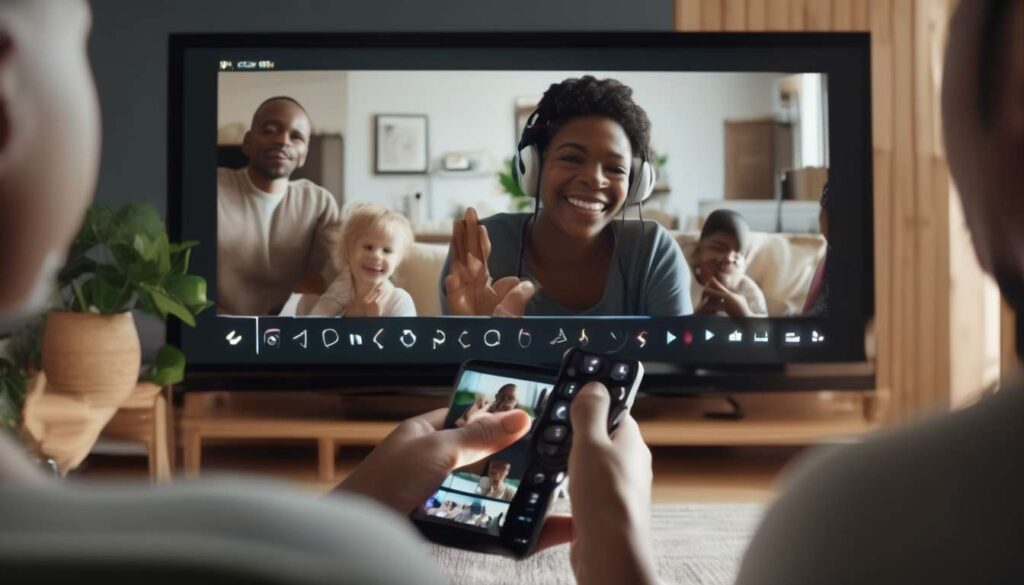
A ripple in a still pond often tells us more than the calm surface ever could.
We stand at a moment where subtle shifts in accessibility design are transforming how adult videos are experienced, and we welcome the change.
We have watched platforms add captions, audio descriptions, adjustable playback speeds, and clearer consent cues—small adjustments that collectively expand who can participate, enjoy, and engage.
We recognize that these updates are not merely technical fixes; they are affirmations of dignity and choice, addressing barriers that previously excluded people with sensory, cognitive, and mobility differences.
We are examining how inclusive interfaces, better metadata, and privacy-forward controls reshape user journeys and reduce friction.
We are also mindful of the ethical responsibilities that accompany wider access: safeguarding consent, respecting boundaries, and ensuring equitable representation.
Together, we explore how thoughtful accessibility improvements elevate user experience and promote a more respectful, enjoyable, and inclusive adult media landscape.
Captions and Subtitles
We’ve added clear, accurately timed captions and optional translated subtitles so viewers can follow dialogue and narration without sound.
We’re committed to making everyone feel welcome, so we’ve built captioning that’s reliable, readable, and respectful of context.
Accessibility metadata is included with each file so users can filter and find content that matches their needs.
- This supports preferences such as native-language captions or translated subtitles.
- Metadata makes discovery and filtering faster and more accurate.
Privacy-forward captioning controls give viewers choice and control.
- Viewers can choose whether captions are generated locally or via secure services.
- We provide clear options about storing transcript data and how it’s used.
Controls are simple and persistent so people don’t have to reconfigure settings every time they return.
We listen to community feedback and iterate on presentation to avoid obscuring important visuals.
- Adjustments include font size, contrast, and caption placement.
- Ongoing feedback helps refine readability and contextual appropriateness.
By combining accurate captioning, robust accessibility metadata, and thoughtful privacy-forward features, we’re making the experience more inclusive and comfortable for everyone in our community.
Audio Descriptions
We’ve added clear, concise audio descriptions that narrate important visual information so viewers who are blind or have low vision can fully follow the story and action.
We’ve designed these descriptions to sit alongside captioning so everyone can choose how they engage with content.
By keeping narration focused and unobtrusive, we respect pacing while delivering scene-setting details, visual cues, and changes in expression or motion that matter.
We’ve embedded accessibility metadata so players and search tools can surface accessible versions easily, helping members of our community find content that meets their needs.
Our approach treats accessibility as essential, not optional, and we’ve tested descriptions with users to make sure they feel respectful and useful.
We’ve implemented privacy-forward features that let viewers control when and how descriptions play without exposing personal viewing habits.
We want everyone to feel included, in control, and confident that accessible options are built thoughtfully and securely for our shared experience.
Adjustable Playback Controls
We’ve introduced adjustable playback controls so viewers can personalize speed, contrast, audio balance, and navigation to match their needs and comfort.
Users can save preferred speed presets, toggle enhanced contrast modes, and shift audio balance between channels for clearer dialogue or ambient sound.
Captioning options sit alongside these controls, letting people choose size, color, and timing to support comprehension and comfort.
We surface accessibility metadata so users can quickly filter and load content that matches their preferences, reducing friction and fostering a sense of belonging.
Controls are designed to be discoverable and consistent across devices, and we provide clear labels and keyboard shortcuts to support varied interaction styles.
To honor trust, we built privacy-forward features that keep personalization local unless users opt in to cloud sync.
Together, these improvements give people practical, respectful tools to tailor their experience without compromising control or privacy.
Clear Consent Signals
We’ll make consent cues obvious and unambiguous so viewers can quickly understand what they’re agreeing to and adjust settings before playback.
Consent banners and toggles will state:
- what data is used
- how captioning and other accessibility metadata will be applied
- whether personalization or tracking is active
We’ll present clear, friendly language that welcomes everyone and affirms that their choices matter. We’ll avoid jargon, use readable labels, and provide quick explanations for technical terms, ensuring folks who are new or returning can participate confidently.
We’ll let people opt in or out with a single, persistent control that’s easy to find and change.
When privacy-forward features are available — like local-only preferences or anonymous analytics — we’ll highlight them so people feel safe joining the community.
We’ll log consent choices in accessible formats and surface them through account settings, making it simple to review or revoke permissions.
That transparency builds trust and belonging, so everyone can enjoy content with dignity and control.
Inclusive Interface Design
We’ll design interfaces that are simple to navigate, customizable to different needs, and consistent across devices so everyone can find and control features quickly.
We’ll use clear labels, predictable layouts, and scalable text so people feel welcome and confident.
We’ll surface captioning controls prominently and let users adjust size, color, and placement without digging through menus.
We’ll embrace inclusive defaults that respect privacy and autonomy, integrating privacy-forward features like one-tap concealment modes and granular sharing controls so members can protect their boundaries.
We’ll provide straightforward onboarding that highlights accessibility options and invites feedback, making it easy for people to tailor experiences to their comfort.
We’ll make accessibility metadata discoverable in user-friendly ways, offering concise summaries and toggles rather than technical dumps, so users can quickly understand what’s available.
We’ll test with diverse community members, iterate on real needs, and commit to continuous improvement, ensuring our interface choices foster belonging, dignity, and control for everyone who uses the platform.
Detailed Accessibility Metadata
We will provide detailed, standardized accessibility information—like available audio descriptions, caption formats, language options, and interactive transcript support—so users can quickly assess whether a video meets their needs.
We will structure accessibility metadata consistently across listings, making it easy to filter and compare content.
Each entry will note captioning types:
- closed captions
- open captions
- embedded captions
Each entry will also include language availability, transcript options, and audio descriptions:
- languages available for captions and audio
- downloadable transcript formats (e.g., plain text, PDF, VTT)
- whether audio descriptions are present and their formats
We will flag reading-level notes and content warnings to help people feel safe and included.
Our metadata schema will be searchable and machine-readable so assistive technologies and user preferences can work together seamlessly.
We will offer clear guidance on how to enable features in-player, and we will document any limitations upfront.
By treating accessibility metadata as essential rather than optional, we foster belonging and reduce friction for diverse users.
We will keep updates concise and transparent, and we will solicit community feedback to refine fields and ensure the system serves real needs while honoring privacy-forward features users expect.
Privacy-Forward Features
Privacy-first design goals
We’ll design privacy-forward features that minimize data collection, give users clear control over what’s shared, and protect sensitive viewing and accessibility preferences. This includes limiting stored identifiers, anonymizing usage signals tied to captioning or format choices, and keeping accessibility metadata local unless users opt in to sharing. We want everyone to feel safe customizing their experience without worrying about exposure.
User controls and transparency
We’ll provide simple toggles and plain-language explanations so members can choose what to sync, save, or delete. Examples:
- Turn off cloud backups of captioning preferences.
- Remove saved accessibility metadata with one tap.
- Export personal settings as machine-readable copies.
Data minimization and retention
We’ll log only what’s necessary for service quality and retain records for the shortest practical time. Additional points:
- Anonymize usage signals tied to captions or format choices.
- Limit stored identifiers and avoid linking accessibility metadata to user identities by default.
Consent and privacy-enhanced modes
We’ll surface clear consent prompts when accessibility features might reveal sensitive information, and we’ll honor do-not-track and privacy-enhanced playback modes. This ensures users explicitly approve any sharing that could expose private details.
Reversibility and trust
By making privacy choices visible and reversible, we’ll build trust and foster a welcoming space where everyone’s needs are respected. Users should always be able to change settings, delete stored preferences, and see what data the service holds about their accessibility choices.
Ethical Representation Practices
We’ll ensure our content, descriptions, and formatting represent performers and audiences respectfully, accurately, and without reinforcing harmful stereotypes.
We’ll adopt clear guidelines that center consent, diverse identities, and dignity in every captioning choice and in the accessibility metadata we attach to files.
We’re committed to descriptive, non-sensational language that helps viewers understand context while preserving performers’ humanity.
We’ll involve community members and performers in creating labels and tags so metadata reflects lived experience rather than assumptions.
We’ll train teams to avoid bias, use inclusive pronouns, and validate how people want to be represented.
We’ll pair ethical metadata practices with privacy-forward features that let performers control what information is shared and how content is discoverable.
We’ll audit representations regularly, remove stigmatizing terms, and update captioning standards to reflect evolving language.
By marrying rigorous accessibility metadata with respectful editorial choices and privacy-forward features, we’ll build a platform where everyone feels seen, safe, and valued.
How do accessibility updates affect the legal compliance of adult video platforms with regional accessibility laws (e.g., ADA, EN 301 549), and will platforms face penalties if they don’t implement them?
We see the question as asking how accessibility updates change legal compliance and penalties.
Accessible features help platforms meet regional standards (for example, the ADA and EN 301 549), reducing legal risk.
If platforms don’t implement required updates, they can face complaints, fines, lawsuits, and enforcement actions depending on jurisdiction.
Our planned approach:
- Prioritize inclusive design.
- Consult legal counsel.
- Track regional rules and standards to ensure ongoing compliance and accessibility.
Will implementing accessibility features increase hosting or streaming costs, and how might those costs affect subscription prices or creator payouts?
We think implementing accessibility features can raise hosting and streaming costs modestly.
Captions, audio descriptions, and adaptive players require additional storage, processing, and QA — each adds incremental infrastructure and operational expenses.
We’ll weigh those expenses against subscriber growth and retention.
- Platforms often absorb some costs to remain competitive.
- Platforms may pass portions of the costs to subscribers or reduce creator payouts if margins tighten.
Our aim is to balance fair creator compensation with inclusive access, so everyone feels valued and supported.
How are accessibility features tested with real users, especially adults with disabilities, and are user testing results or accessibility audits ever made public?
We recruit diverse adult users with disabilities.
We run both moderated sessions and remote trials.
We iterate on feedback from those sessions.
We include assistive technologies to validate real-world use:
- Screen readers
- Captions
- Voice control
We summarize findings in anonymized reports and audit summaries.
When privacy and consent allow, we publish full audits.
We welcome community review and co-design so everyone’s needs shape the product.
Conclusion
You’ve seen how captions, audio descriptions, adjustable playback, and clear consent cues make adult videos more usable and respectful.
By offering inclusive interfaces, detailed accessibility metadata, privacy-forward settings, and ethical representation practices, you’ll reach more viewers while protecting their dignity and choices.
Implementing these changes isn’t just compliant — it’s considerate and smart design that improves user experience, trust, and accessibility for everyone who wants safer, more inclusive content.